
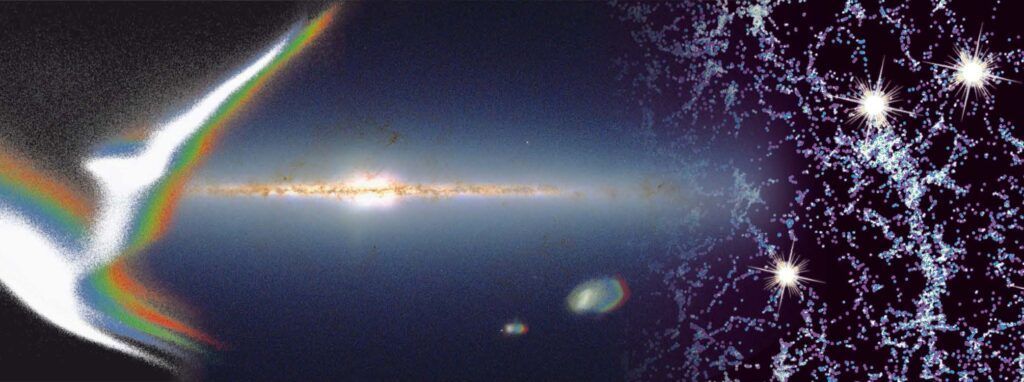



SDSS-V is the first facility providing multi-epoch optical & IR spectroscopy across the entire sky, as well as offering contiguous integral-field spectroscopic coverage of the Milky Way and Local Volume galaxies. This panoptic spectroscopic survey continues the strong SDSS legacy of innovative data and collaboration infrastructure.
NEW: Our latest data release, DR20, is now live!
Data

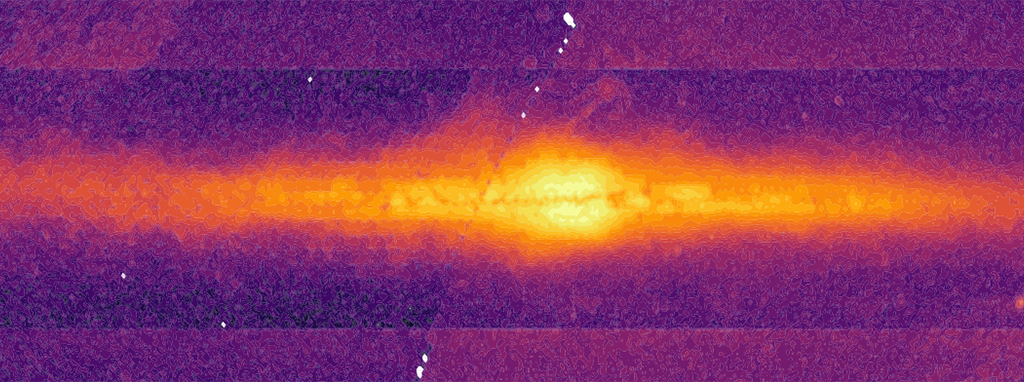

Our latest data release, DR20 is now live! This large SDSS-V data release contains spectra and data products from Black Hole Mapper and Milky Way Mapper, as well as several preview tiles of Local Volume Mapper. We are also releasing new Value Added Catalogs, tutorials that show you how to work with the DR20 data, in our new visualisation webapp for LVM data, LVMvis, and in our BHM and MWM webapp Zora. Find out more about DR20 on the DR20 webpages, and in the DR20 paper.
If you are looking for previous data releases from SDSS-I-IV, then these are all still available! You can find them on our completed surveys page, and at the SDSS-IV webpages. Completed surveys include the SDSS Imaging and Legacy Survey, Supernova Survey, SEGUE1/2, MARVELS, (e)BOSS, APOGEE-1/2, MaNGA and MaStar.
Our next data release will be DR21, and is currently scheduled for 2027.
News
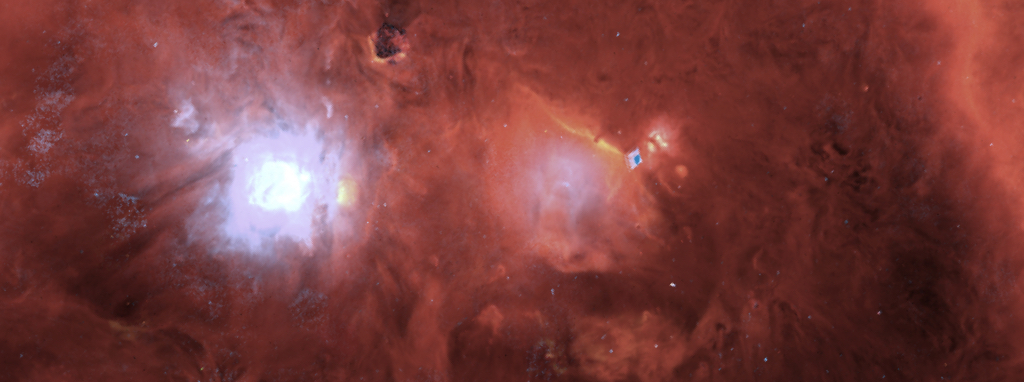
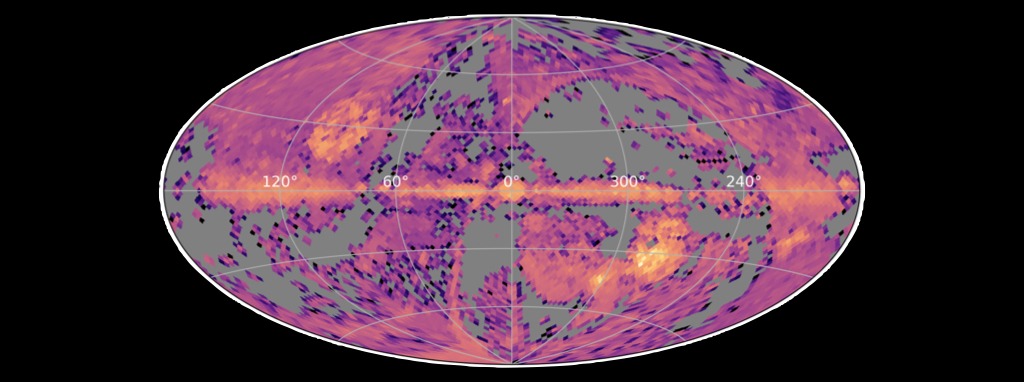
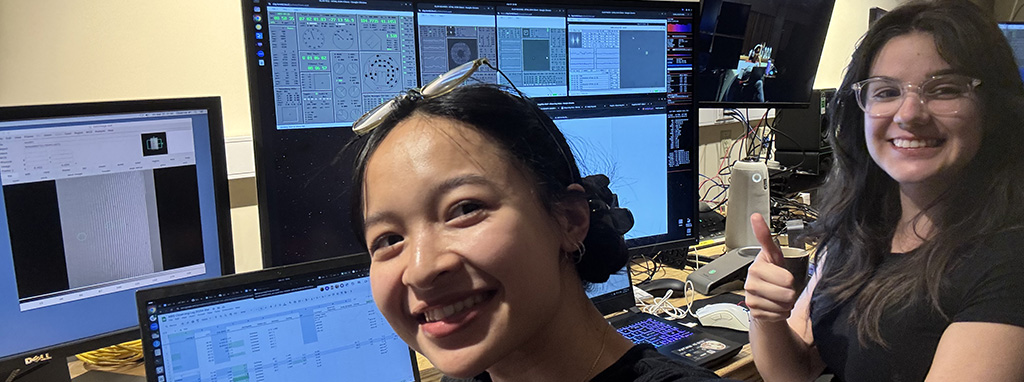
Milky Way Mapper
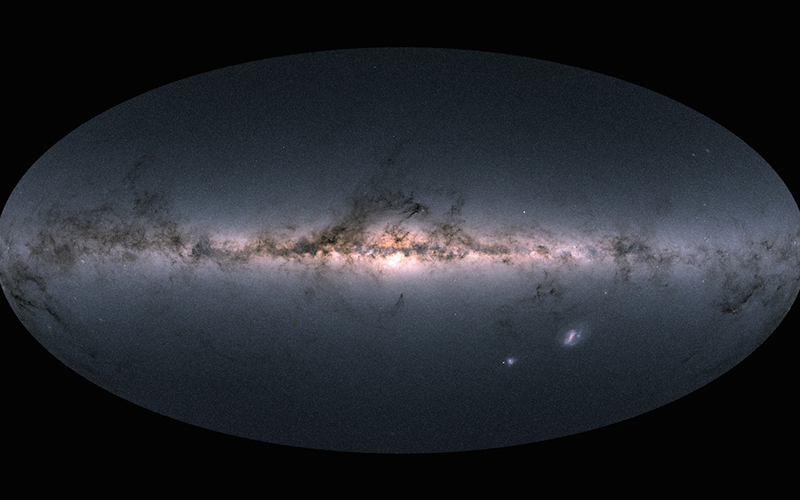
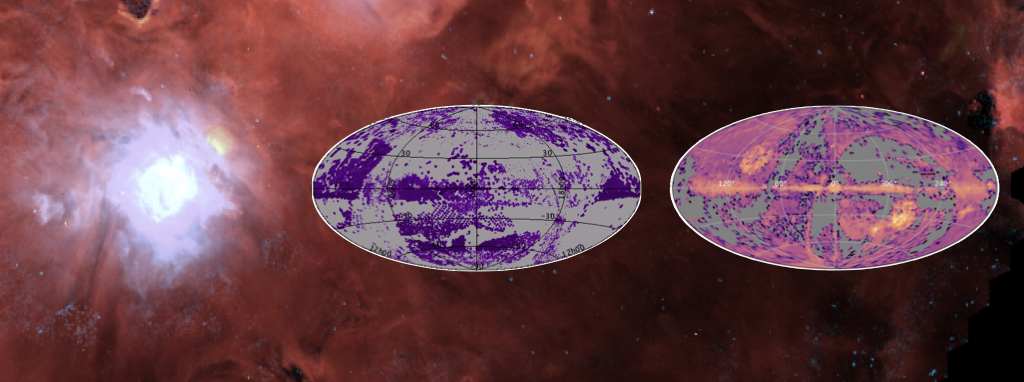
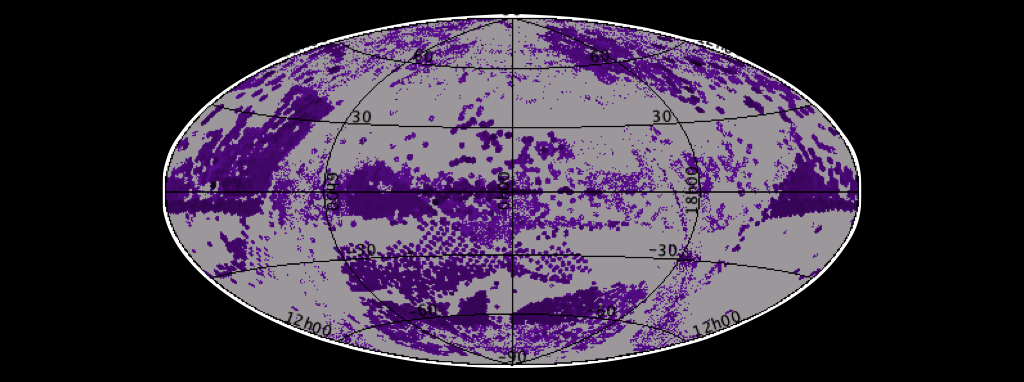
A time-domain, optical+IR spectroscopic survey of Milky Way stars of all types.
Program Head
Andrew Tkachenko
(KU Leuven)
Local Volume Mapper

An optical, integral-field spectroscopic survey of the Milky Way and its neighbors.
Program Head
Sebastián Sánchez
(Universidad Nacional Autónoma de México)
Black Hole Mapper
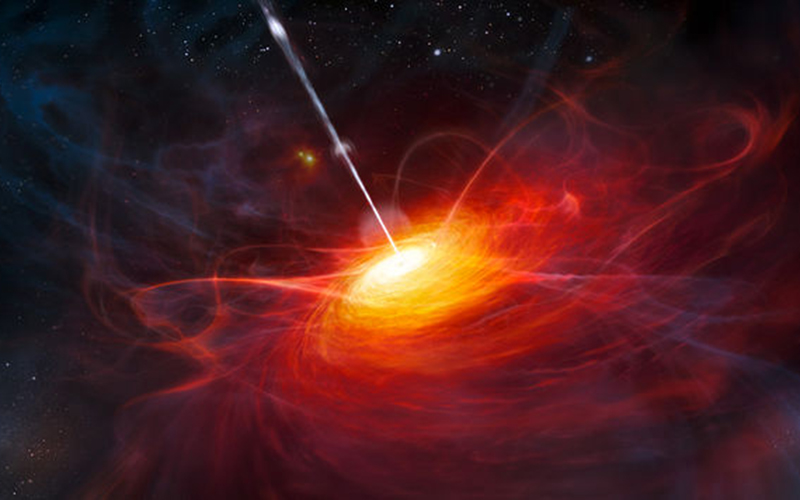
An optical time-domain spectroscopic survey of quasars and X-ray sources.
Program Head
Scott Anderson
(University of Washington)
JOIN US!
SDSS-V, like previous SDSS surveys, remains committed to making its data publicly available in a format that is helpful to a broad range of users, from beginner students to both amateur and professional astronomers. However, without extensive federal or other large-scale funding, this commitment is not possible to fulfill without membership contributions from institutional partners. SDSS-V is actively seeking participation from new membership partners. Our institutional partners benefit from early access to proprietary data, participation in the survey planning process, and involvement of their faculty, postdocs, and students in our global science collaborative network.
Policies for joining SDSS-V at a variety of levels can be found in the Joining Document. The next phase of SDSS is currently in its planning phase set to launch in January 2027! More information about AS5 and the currently proposed observing programs can be found on the Future webpage. If your institution would like to be part of SDSS now or in future, there are a number of incentives to join the project early including a discount for joint membership in SDSS-V and AS5.
The general policies for SDSS-V are defined in its current Principles of Operation. A list of current member institutions can be found on the Affiliate Institutions page.